Category: American Cities
-

On the morning of oblivion…by G. Mramor
On the morning of oblivion I rise with the mourning star. I move through the crowds and let our shoulders bump, our hands touch, our eyes wonder. In the park light dazzles children climbing hills, dashing fields, running the jungle gyms lords of all. And in the cafes hairy legs and summer dresses, grizzly beards…
-

(VIDEO) “You Can/Can’t Touch My Hair”: Natural Hair on Display by R. Uribe
Ramelcy Uribe is a student from Haverford College from the Bronx, New York. Her internet presence is centralized here. Simply put, the “Natural Hair Movement” for Black womyn from all across the Pan-African diaspora has become our re-introduction to rocking our natural curls and naps. For many, it’s the first time since our childhood or…
-
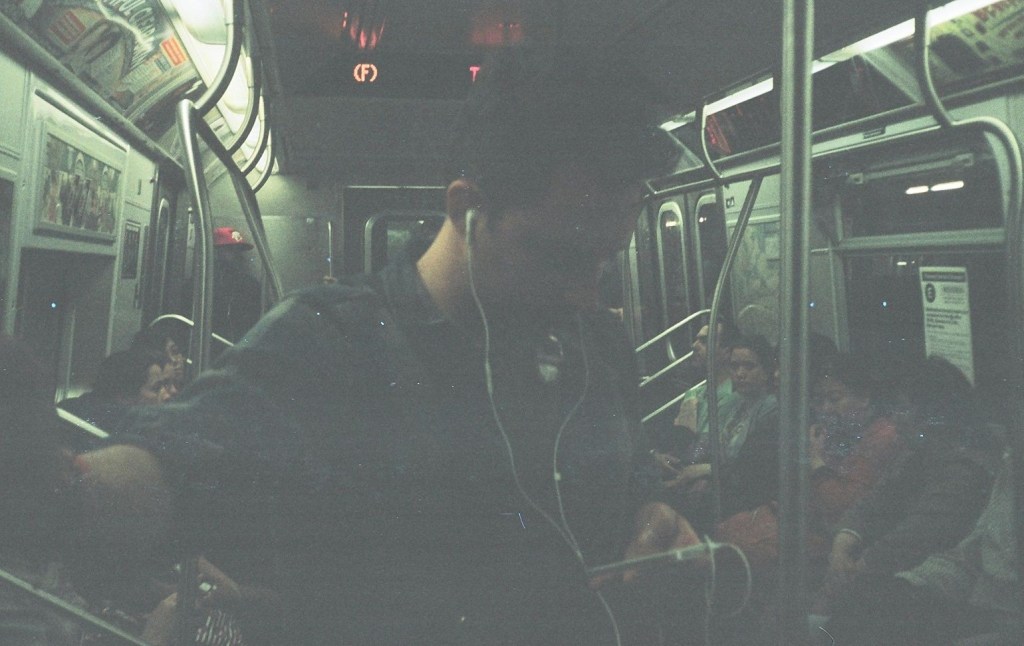
8 Ways to Occupy Your Eyes on the Subway by M.Pitter
Regardless of the city in which you find yourself, whether or not you keep your ears plugged and dressed with music, this list may be applied to most (if not, all) of the subterranean mass transit systems of this planet. On the train, you can: 1. Look directly at other passengers: When boarding the train,…
-

Want of Sleep…by G. Mramor
With hands raised
-

Mean Free Path by M. Pitter
Usually, there will be a tomorrow tomorrow as there was a yesterday yesterday. Each day expanding and contracting, sun to moon, moon to sun, in harmonic regularity. We like to freeze phases to call one ‘now’, to call another one ‘next Thursday night at 8PM’ and another one ‘last Saturday afternoon’. Meanwhile we propagate like…
-

Hiṃsā…by G. Mramor
They stood on the busy corner. The crowd dispersed when the light went red. Some who had crossed the street entered the station next to the boys and others passed by them into the big window stores. The boys did not speak, they stood there looking across the street. They wore blue emblemed blazers and…
-

Social Science by M. Pitter
Social Science as we know it today (in our corner of the world) consists of a collection of observation-based theories that give ‘reason’ and organization to the ways in which human beings interact with other human beings in the stratified ‘cosm that we call ‘society’. Suppose we apply the ‘hard’ sciences to our daily lives,…
-

WIN: A copy of IP Issue 3 (JAN 2013)
I’d like to invite all of you to join the Winter 2013 IP Giveaway where we will be giving out a FREE COPY of the latest issue of In Parentheses to TWO (2) lucky winners! You can get multiple chances to win by ‘Liking’ us on Facebook, and ‘Following’ us on Twitter! The form is available…
-
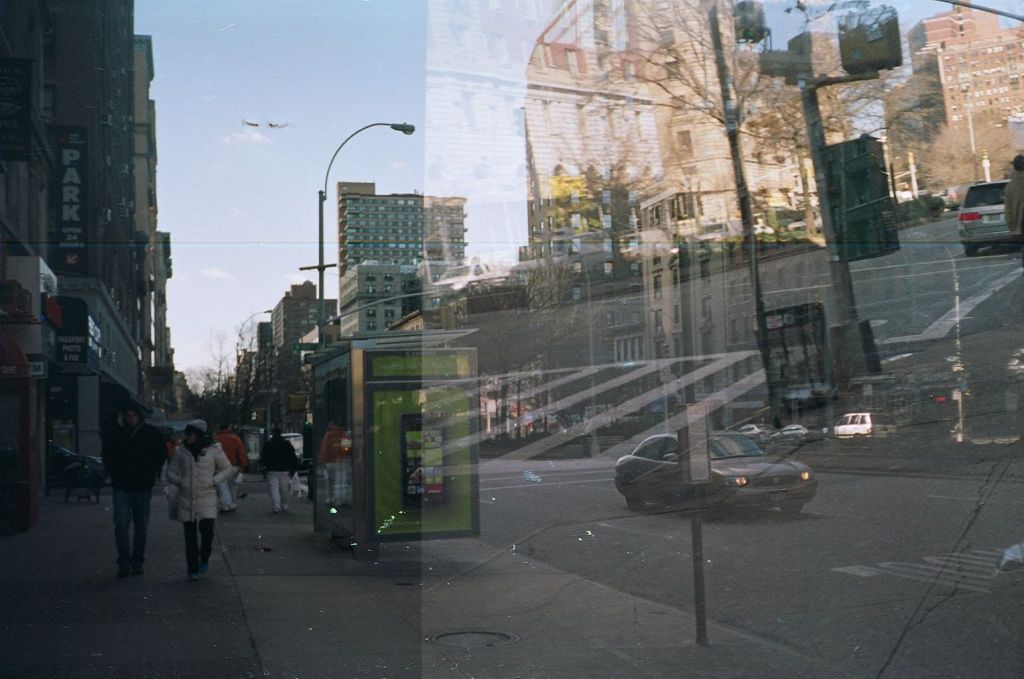
The Faceless Bandits Along Cathedral Parkway by E. al-Bashir
Etienne al-Bashir was born in Marseille, France but he believes that he comes from another planet. When he was 9 years old, he moved with his family to the White Chapel district of London. There, he completed his secondary school education. Receiving high marks brought him to Harvard University where he majored in Physics and…
-
Issue 3: January 2013
UPDATE: the latest issue is available at THIS LINK. PROMO: The third issue of In Parentheses Literary Magazine is coming January 1, 2013. Submissions click here.

