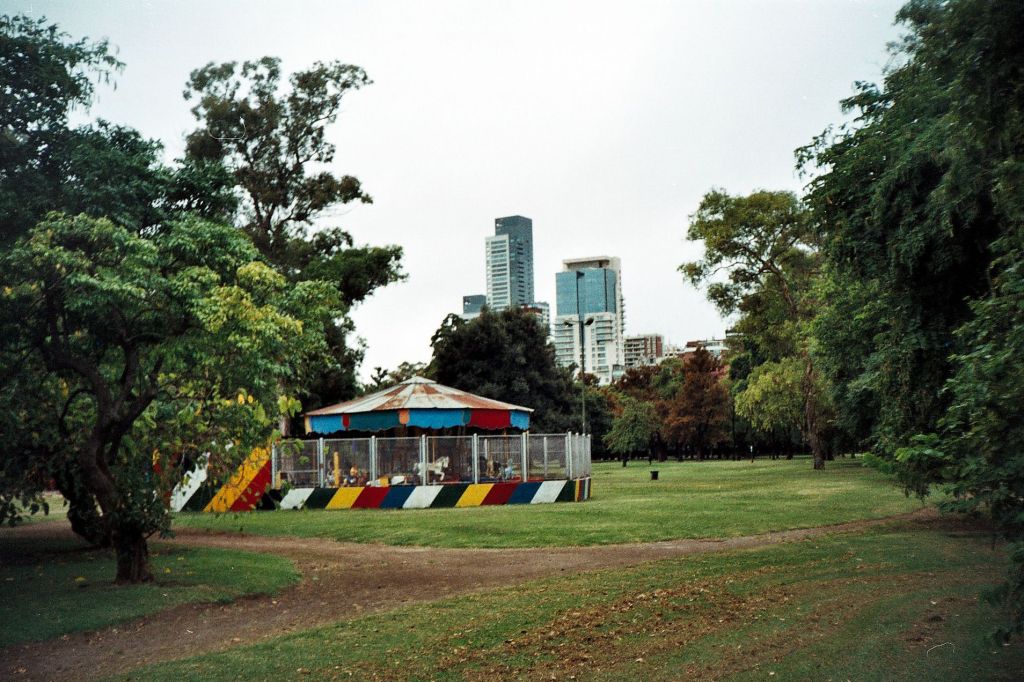
The people of this world– living in different societies abroad, societies built on continents each continent shaped its own way, near seas and containing rivers filled with trees and bush indigenous only to that very place — seem foreign to each other.

Coming into contact with foreign peoples could be an experience that renders any links between you and those foreign peoples nonexistent. Sitting invisible out in some tree-blotted cafe sunlight or in the thick air of some tea house listening to expressions of life in completely different languages and different intonations that come with certain body movements may lend to you the notion that there is a significant disconnect between yourself and those foreign humans who seem to share nothing with your life.
A potentially limited sample of physical and metaphysical aspects that seem to divide people consists of
1. Language —> The methods by which people’s tongues grow accustomed to communicating and conveying meaning. Aspects of an environment yield the specific mechanical phonetic abilities of tongue movement that develops out from within that certain environment.
2. History——> The period of time within which the style of interpersonal-interaction develops and evolves as domestic and international social events shape and mold directions of collective human life laying the groundwork for what ultimately becomes the overlying ethos of the people of a place.
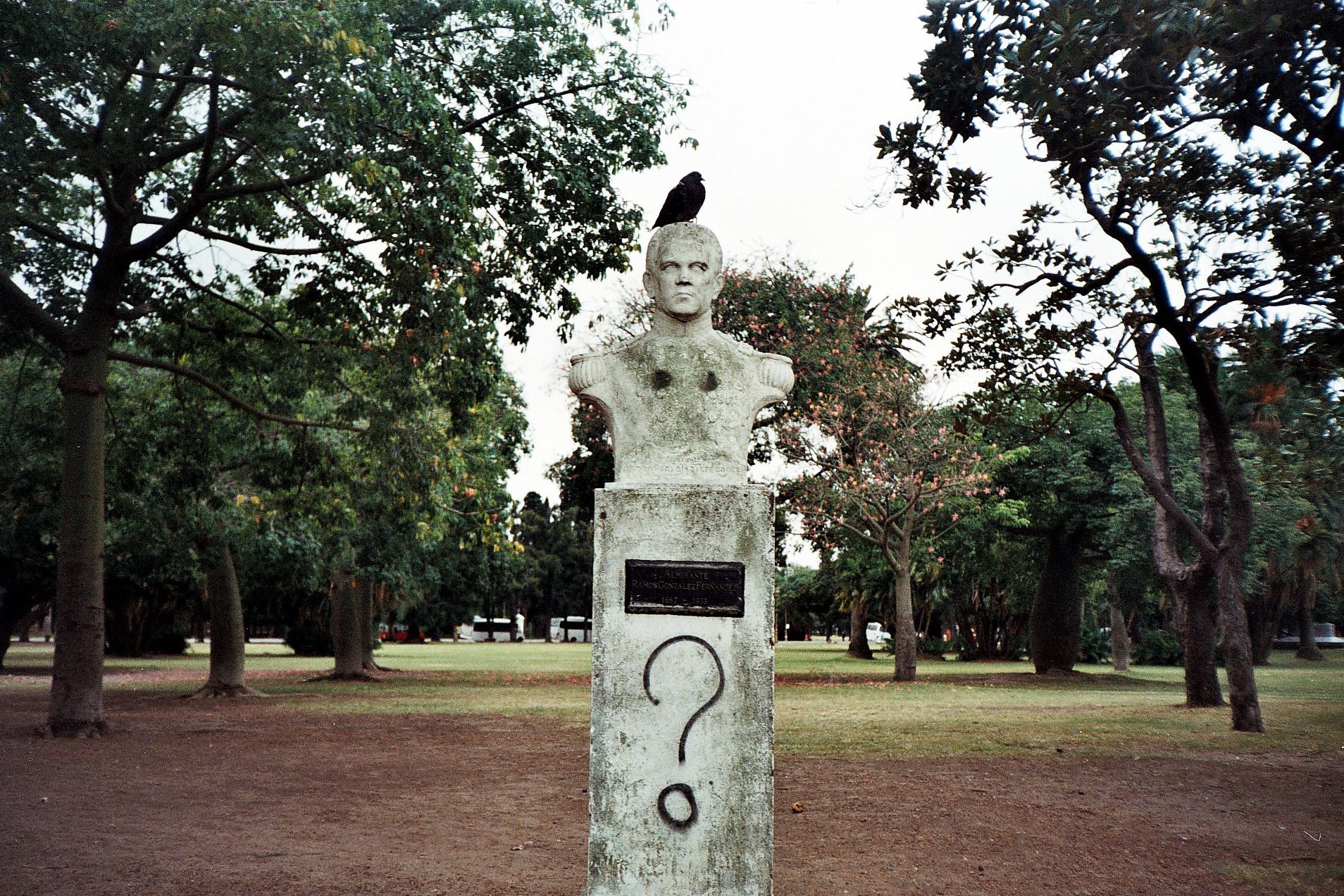
Language and history may be the only entities differentiating a teenager born and living in Chicago from a teenager born and living in Hanoi, Malmø, São Paulo or Cape Town. Other than language and history, these 5 people are just people, the same as any other person on the planet whose mannerisms shall fall within the great range of human personalities. Language is an obvious division. It is physical in that we can hear it and oftentimes see it in writing. History is another division, one that is not as obvious, but profound indeed. Quantitatively, history is a profound division because it births further physical and metaphysical divisions. Qualitatively speaking, the metaphysical divisions range from culture, to lore, to politics, to spirituality. The physical divisions range from food, to currency, to facial features and, of course, to language. History brought people from the Pleistocene to today. Every single region, country, province, neighborhood has its own unique history (its own course of events from the Pleistocene to today) which heavily contributes to the distinguishing features of the world’s people.
The styles of living and survival among the world’s people find union in the trend that we all, as human beings, recognize what our surroundings demand of us. We respond whether or not our responses are considered positive or negative by our given society. Responses include the education of ourselves, the involvement of criminal activity, the pursuit of an honored position, sociopathy, the contributions to science and technology, the creation of art, suicide. Certain patterns repeat themselves from place to place, from continent to continent whether the people speak Farsi, Igbo, Thai, English, Portuguese or Tongan, Japanese or Amharic. We can say, perhaps, that everyone, essentially, wants to live up to what they have learned to value and what they have absorbed as necessary throughout their lives.
[For example, there is no difference between going to a social club in Istanbul to drink tea or coffee, smoke nargila and play backgammon and going to a sports bar on Monday nights in Orlando. Both situations involve a brief release from the immediate concerns of life for the indulgence in stimulants, conversation and other amusements (American football on television and Backgammon). The reasons why they appear different come from the specific series of historical events within those specific societies.]
This apparent unity makes a mockery of the political maps with bold lines between color-coded countries.
Yes: people are different. Again, among various aspects, they speak completely different languages. But languages (like skin color {and facial features in general}) differentiate along a steady gradient. Walk — from the western tip of the Iberian peninsula and zig-zag north to København and then south to Türkiye and through to Iraq, a quick jolt up to the Caucasus, through what is considered today to be Azerbaijan, then across the Caspian Sea, Afghanistan bound, and then on to the east until you reach Shanghai — and then you’ll witness how one language oozes and melts into the next and then the next. Spanish slowly becomes French after various in-between phenomena of language mixing with Spanish and French. The same gradient-like changes in languages and physical characteristics most likely apply to the Native American communities from what is today considered the Yukon to what is today considered Tierra del Fiego. If you walk from Morocco to Swaziland, languages and features merge into the next in similar fashions. In this sense, we are all linked: a globally strewn arrangement of cultural Venn-diagrams who are only superficially different from the other ‘links’ surrounding us forming the human genome. The differences between people — between locals and foreigners, foreigners and locals that appear so obvious, defined and far too profound to not estrange a human of one society from a human of another society — seem apparent and overruling because of our vantage point too close to the relatively large picture that is the planetary human condition. “Backing up” in our outlook and cognition may reveal to us a more complete image of clear and resolute connection between everyone everywhere.


 in parentheses
Leave a reply to mramor90 Cancel reply