A writer from the Bronx, Kevin Perez-Sanchez has been writing for nine years. His pieces draw heavily from his own experiences as well as the stories and experience of many others he has met. He hopes that readers feel as much reading these pieces as people did when relaying those deep emotions to him.
Kevin’s work has been previously featured in Volume 10 of In Parentheses.
Walnut (Chapter 1)
1965
Meredith dabs the soaked towel against Scott’s scrapes and bruises. She cleans each one of his knuckles, and the silts across his face. As she squeezes out blood-water solution, the uncomfortable silence is maintained with silent tears and the light dabbing of a towel. Stretching across the sofa, with ice packs weighing him down, he studies the ceiling. The grooves, the stains, the off-white color and the mold. The living room is cluttered with biblical text and crosses. They spread and wrap around the entirety of the interior. After three years, the pages crinkled and its edges turned yellow. Each cross depicted Jesus at his worst; killed in the gruesome way he was. The largest hangs in his mother’s room.
Walking through the doorway, you’d see the living room and kitchen in the same space, separated only by the kitchen island. The rich mahogany wood looks beautiful on the walls, tables and chairs; a beautiful house hidden beneath his father’s paranoia. Its windows, however, were incredibly hazy, almost as if fog permanently made its way into the glass. With the window left ajar, Scott could see the frosted farm. Snow sits in its uniform manner, resting in perfection, only changing as the local Bernese mountain dog trots about the farm’s edges.
Meredith’s eyes run dry before bringing Scott some lime water-ice. She sits down and strokes his hair. “It’s as dark as Martha’s,” she says. She says that all the time. There aren’t any photos of Martha in the house, but she tells Scott about her all the time. A woman with long dark hair so thick, stubborn, and deific.
“I won,” he says through his teeth.
“What?”
“I won,” slowly eating away at his ice. She says, turning to him, “Scott, that’s not right. Look at you … ” squeezing his bruised cheeks. “This is why I tell you to pray. God realizes miracles, and he will cure your disease. Just pray, please Scott, pray.”
She says, raising her trembling clasped hands above her head, closing her eyes before pulling on Scott’s grudging hands in attempts to involve them.
“Yeah,” he replies with an exasperated sigh. “My disease.”
She scoffs. “You know, I knew a man who decided to live that way.”
“No one likes getting their ass kicked.”
She slaps him on the chest and he winces. “Apparently you do.” She says, with her wide eyes.
Scott shuts his mouth and looks away.
Geoffrey is a good horse, a talented sprinter. Each of his gallops sound light and clean, even in the snow. Scott heard them as Meredith took his empty bowl. He’s the last thoroughbred on Martha’s side of the family. Those horses have been bred for generations, and unfortunately, it will all end with Geoffrey. His father, John, refuses to let anyone or anything touch him, much less another horse. Through the crack of the window, Scott leers. He observes those tired huffs and hears the loud hoofbeat as they are followed by the sorry sight of his father’s disgusting boot. These boots are shredded, worn out to bits, but not in the places that matter. John dismounts, and with that, Meredith leaves, hiding away in her room. She never wants to greet him directly at the door.
“Good afternoon, Father.”
Silence.
“Don’t worry too much about me,” Scott says, pointing at his injuries. “I won.”
He turns away from Scott.
In his hand, John carried an axe Scott hadn’t seen before. The head is bright red, excluding the silver edge. Its untainted steel is a rarity on the farm. Ages ago, using nothing less than tools for proper men, John taught him to handle an axe. At such an age, the weight of those large tools were bound to throw any child off balance. Nine years old, bright in the early morning, Scott split his first piece of firewood. On account of bias, what Scott remembers the most is that right after his grand achievement, John smiled. Scott took this to be an absolute fact steadfast in the fight against embracing his milieu.
In this small town, it wasn’t rare to see other fathers and their sons walking into the wild to fish or hunt. The roads are still dry compact dirt and the snow is still eaten by children. Although a few people own cars, they are not in the majority. How could they be when the dirt roads are so narrow and uneven? It’s all worn and weather-beaten, lacking the charm and vibrancy of cozy prosperous areas. The people, bundled up in tattered coats and rough scarves, move slowly and wearily. There’s always been a sense of weariness and resignation in their expressions, as iflife’s hardships have taken its toll on their very souls. Yet, they have just enough to stand up for themselves and their beliefs, molding the town into their own.
Scott believes that at times it can be charming. Lampposts stand tall, and they cast a warm amber glow in the early evening light. In the distance, snowy mountains peak above all the forests and neighboring towns. The inhabitants are the ones who ruin it all. They spit and they drink. Scott always thinks about just how European he’d have to become to make it fun and heart warming to drink. To sit with family, laughing, singing, and participating in childish banter. The kids run around bumping into tables, roughhousing with the dogs. But here, in this town, they spit and drink.
As the night creeps in, knowing his father won’t be any different, he struggles towards the hallway. Scott stands by John’s door, tapping his foot. They have those old dim lights; tinted yellow and always on the edge of electrical death. The entrance to John’s door had somehow evaded all attempts at illumination. To Scott, as a child and even now, the entryway seems more of a black hole. Especially on nights like these, its void, eating everything in its way, seemed to consume and eliminate the light. He raises his hand to knock on his door, trembling some inches away from it. Scott takes a breath and attempts it, failing. After a few times, he looks away in frustration. The vein on his forehead is throbbing and once he knocks, he stands there, clenching his jaw in anticipation. The floor creaks on the other side, and he can hear John’s footsteps drawing near. The door opens, and John is reeking of alcohol.
“I need to talk to you,” Scott says, trying to maintain eye contact.
John nods haphazardly, but never means to take the conversation inside his room. They both stand at the entrance looking at each other for a while. His furrowed brow maintains his constant bitter expression.
“We haven’t talked. In fact, you haven’t said a word at all. I want to work together tomorrow. I’m fourteen now, I’ll be a lot more help.”
He stares, attempting to close the door before slamming it into Scott’s intruding foot.
Scott desperately pushes his way into the room, making sure he’s as far away from the door as possible. It hits him suddenly, a smell like the inside of a barn. Now that he’s here, it’s the first time he’s actually seen this vacant, dusty room and its bed. It’s been cut in two, leaving the empty half of the frame exposed. The axe lays on those splintered wood beams. In the comer sits a large metal box, one of which Scott has a vague recollection opening. John stares at him from the door, and all anyone would be able to see are the white of his eyes, beaming through the room. His shoulders and upper arms are tense, even in the dark, the silhouette details his contracting muscles.
Trembling, Scott stares, attempting to keep his composure.
The world seems to go completely still before John walks towards him, only stopping when he raises his arms in defense. Although he had never hit Scott, it always felt like he would.
“How long?!” Scott says shakily, keeping his arms up, looking into his father’s darkened eyes. Trying to relax, he straightens his back a bit before asking, “How long will you hate me?”
John looks away for a second, looking back to shake his head. With closed eyes, pinching the bridge of his nose, he hangs his head.
Scott looks at him, saddened, because only those in hell are reduced to their sins.
He glances, then looks away frustrated and tense.
“I can still chop wood, you know. I can do all the heavy lifting, and I win my fights, and I never complain.”
After a few minutes of silence, Meredith woke up, and after making it into the room she dragged him out by the arm saying, “Stop bothering that man.” Eyes wide open, she says, “Please. Do you hear me Scott? Do you hear me?” shaking his arm roughly.
John watches on, slowly becoming a dark silhouette against the wall. Scott looks down at her trembling grip and she slowly lets go, releasing him to say, “You are going to apologize tomorrow at breakfast. Don’t you say another word ’till morning.”
Scott can only muster the strength to look at her with empty eyes.
Once they settle into bed, he makes his way towards the barn. Its once vibrant red paint is now faded to a dull, rusty hue. Wooden planks, with patches of moss and lichen growing in the crevices, form its exterior. Dirty snow clings to the barn’s roof and sides. The large double doors, once sturdy, now hang crooked on their hinges, creaking with the slightest gust of wind. Some sections of the wood have rotted away, creating gaps that allow snow and wind to fill the barn. Inside, the air is musty and heavy, filled with the scent of old hay, wood, and dampness. Dim moonlight penetrates the cracked windows, casting eerie shadows across the interior. At night you could hear the rats rummaging around. During the day, they leave behind chewed-through sacks of grain and gnawed wood scattered about.
Scott looks around for some dry wood with no signs of rot or infestations. For a few minutes, he digs under a stack of hay, pulling out his childhood axe. Facing the firewood, his breath escapes in white puffs, raising the axe. Its edge, now dulled by time and overuse, gleams. With a grunt, it descends, and the sound is a dull thud that echoes softly. With almost no layers to protect against the biting chill, his skin prickles with goosebumps, and every exposed patch of skin feels raw and vulnerable. The bruises on his stomach and back were painfully searing him, but it didn’t matter.
++++
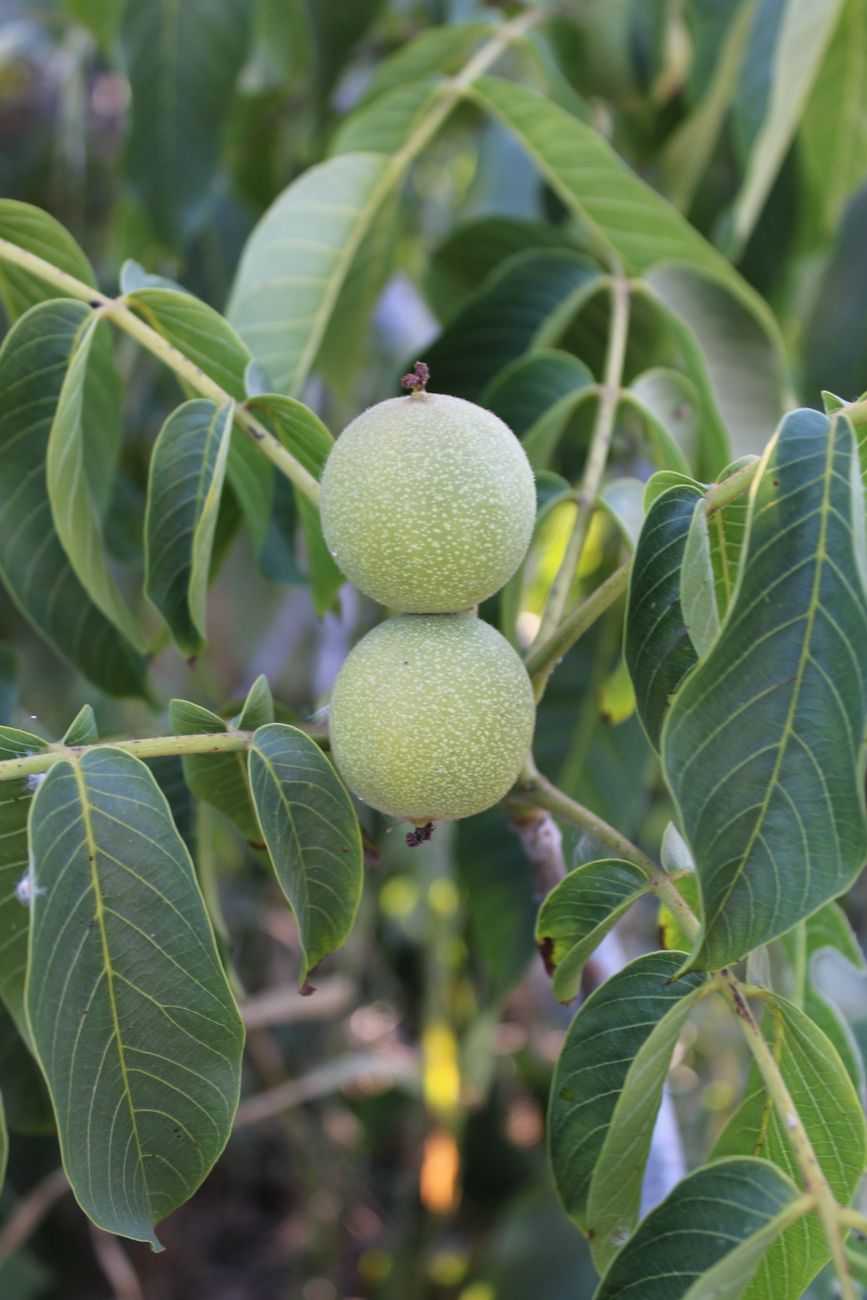
At times, the exhaustion of the previous day is great enough to spill onto the next. This is not one of those days. A white-breasted nuthatch sat at his window. This was Martha’s favorite bird. It’s a small blue songbird with a short sharp beak, white face, and white underparts. She has written many entries about it, and Scott has read most of the entries. He sleeps on a simple handmade wooden bed, and he has for quite some time. The mattress is filled to the brim with straw, and Meredith made him a patchwork quilt. Scott believed she did her best designing it, sewing in horse patches, even if some are uneven. The walnut and a kerosene lamp rest atop his worn dresser. It’s quite a small room, and he had outgrown it long ago. The only window faces the side of his bed from the other side of the room, right above his workshop desk. John made it for him, believing he would one day start woodworking like his father did.
Looking at his door, Scott reluctantly gets up. Burying his face in his hands, he questions everything he did last night. Scott then thought that he didn’t need to hang around him. If anything, he feels he could’ve gotten in his way, and his father would have to work for much longer. Making his way through the hallway, the hickory firewood smells of a strong, smoky, and slightly sweet aroma. Even then, Meredith and John sat in somber silence. They only look but cannot see him. It’s an obligation detested by the mind, carried out through the senses.
“I’m sorry.”
John only looks. He seems to have disappeared behind his dry red eyes.
“Thank you for providing for me, and I will change.”
Meredith nods and smiles. He doesn’t.
Once sat at the table, she places her hand on Scott’s. “One day you’ll blossom into a grown man. Once you’ve grown, our family heirloom will be passed down,” she said, motioning towards his father. He pulls out the red axe and sets it on the table.
“When you’re ready, your dad will hand this to you. But, that’ll be quite a long time.”
“I’ll wait.” Scott said, glancing at his father.
Everyone keeps quiet, slowly beginning breakfast with a quiet prayer.
Sometimes, Scott looks at the empty chair and imagines his mother. She’d probably be laughing or telling stories. Or maybe she was reserved and didn’t smile much. She would ask him about his day, and threaten the school every time he got hurt. Those omelets she wrote about, Scott would get to eat them. He’s never had cream cheese, he wonders what that would taste like. He wonders if she truly carried a walnut around everywhere. All her entries paint different pictures, but her love for the world was the common denominator.
Suddenly the phone rings, a bakelite telephone, bought before he was born. There are stains all over it, impossible to scratch off. Each time the phone rang, once or twice a year, dust flies off. Meredith goes over to pick it up, with reluctance, only to respond to the caller with widened eyes. She ends the call without saying a word, and sits back down. He knows who it is, and so do they. The family sits in silence, and John grits his teeth, staring down the telephone. It rings again, and this time, they let it go.
From the Editor:
We hope that readers receive In Parentheses as a medium through which the evolution of human thought can be appreciated, nurtured and precipitated. It will present a dynamo of artistic expression, journalism, informal analysis of our daily world, entertainment of ideas considered lofty and criticism of today’s popular culture. The featured content does not follow any specific ideology except for that of intellectual expansion of the masses.
Founded in late 2011, In Parentheses prides itself upon analysis of the current condition of intelligence in the minds of these young people, and building a hypothesis for one looming question: what comes after Post-Modernism?
The idea for this magazine stems from a simple conversation regarding the aforementioned question, which drew out the need to identify our generation’s place in literary history.
To view the types of work we typically publish, preview or purchase our past issues.
Please join our community on Facebook, Twitter, or Instagram at @inparenth.
By In Parentheses in Volume 10
68 pages, published 7/15/2026

In Parentheses is currently reading submissions. Please see the guidelines and submit multimedia, photography, illustrations, poetry, prose, or editorials here.


enter the discussion: